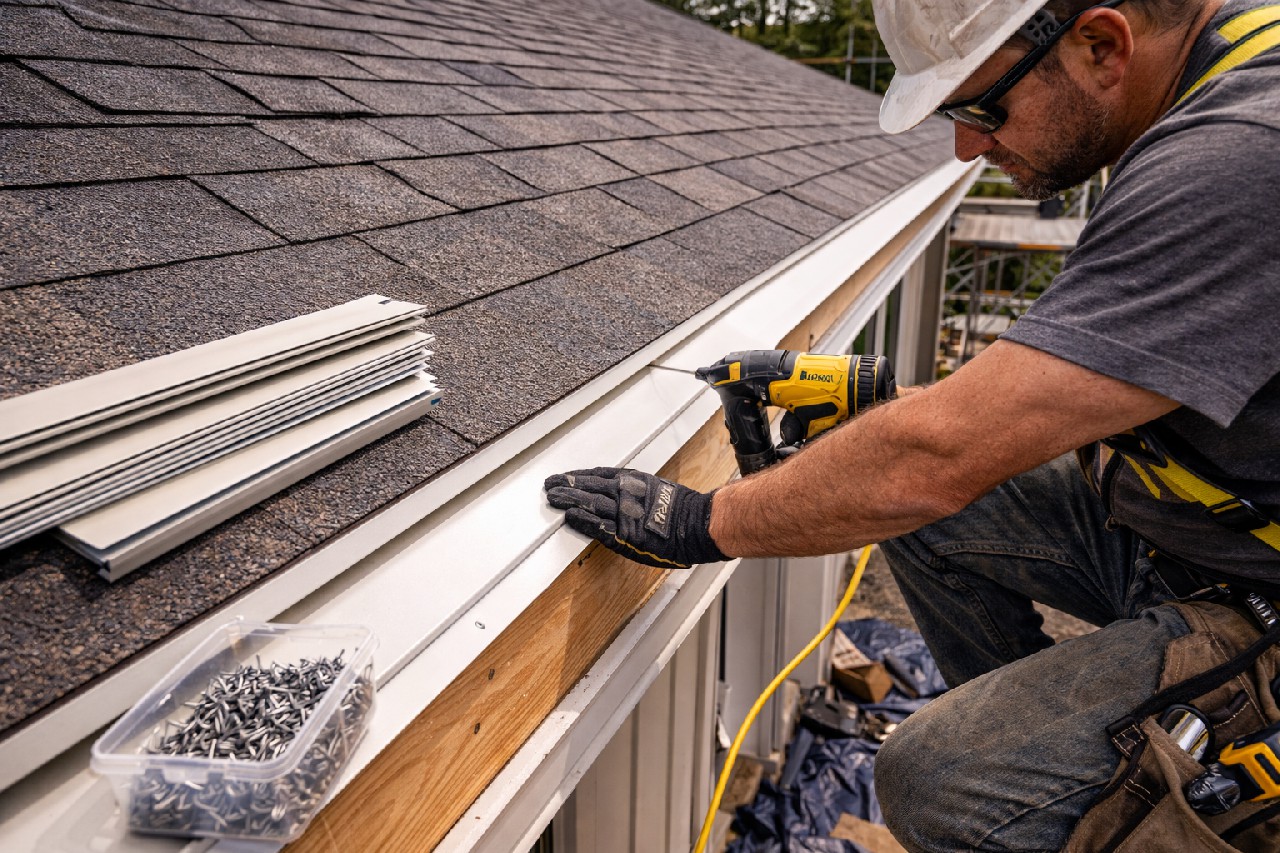


⚡ TL;DR: Learn roof inspection essentials for Spokane homes, spotting weather risks, warning signs, DIY checks, pro techniques, and maintenance hacks to protect against failure.
📋 What You’ll Learn
In this Spokane roof inspection guide, you’ll uncover local weather risks, failure warning signs, safe DIY checks, pro techniques, and maintenance hacks to protect your home.
- Grasp Spokane's roof threats from heavy snow loads, ice dams, fierce winds, and freeze-thaw cycles that shorten lifespans and demand proactive monitoring year-round.
- Identify top 5 failure signs including missing shingles, interior leaks, granule buildup in gutters, sagging decks, and attic mold for early intervention.
- Master safe DIY inspections using binoculars for shingles, flashing checks, gutter debris scans, and vent assessments without ladder risks or pro costs.
- Explore pro inspection methods with drones, thermal cameras, moisture probes, and red flag detection to reveal hidden damage invisible to homeowners.
- Adopt maintenance strategies from real Spokane rescues and year-round tips to prevent collapses, boost longevity, and slash repair expenses effectively.
📖 Reading time: 7 min
✍️ Author expertise: Spokane roofing pro with 18 years of hands-on inspections in local weather extremes.
Ever wake up to water stains creeping across your ceiling after a Spokane downpour, wondering how it got this bad?
That nagging drip isn't just annoying—it's your roof screaming for attention, and ignoring it could cost you thousands in repairs or a full replacement.
But what if spotting those hidden dangers was simpler than you think? Let's uncover the roof inspection secrets every Spokane homeowner needs to safeguard their biggest investment.

Spokane's Roof Risks: Weather Patterns That Demand Vigilance
Spokane's weather hits roofs hard. Heavy snow piles up in winter, turning into ice dams that force water under shingles. One big melt, and leaks start.
Summer brings hail storms that punch holes in asphalt. Winds gust over 50 mph, ripping off loose granules and exposing your underlayment. Rainy falls don't help either, saturating everything.
Key Weather Threats to Watch:
- Snow loads: Up to 2 feet deep, stressing roof trusses.
- Hail impacts: Golf-ball size dents weaken shingles fast.
- Wind shear: Lifts edges, invites moisture in.
These patterns cycle yearly. Spot them early, or pay later. Your roof battles them daily, so check it before the next front rolls in.
Top 5 Warning Signs Your Roof is Failing
Spokane's wild weather hits roofs hard. Heavy snow, ice dams, and pounding rain expose weak spots fast. Spot these signs early, and you dodge a disaster.
Here's the top 5 red flags no homeowner can ignore. Check your roof now, before the next storm rolls in.
- Granules in your gutters: Those black pebbles mean shingles are wearing thin. Asphalt roofs shed them like old skin. Ignore this, and bald spots invite leaks.
- Missing or curling shingles: Wind gusts off the Spokane River rip them loose. Look for gaps or edges lifting up. That's water's open door.
- Water stains on ceilings: Brown rings or drips signal hidden leaks. Even small ones spread mold fast in our damp climate. Don't wait for the drip to become a flood.
- Sagging roof deck: A dip in the middle screams structural rot. Snow load pushes weak wood down. Get pros up there quick.
- Daylight in the attic: Shine a flashlight and see pinpricks of light? Cracks or holes let critters and weather inside. Seal them before damage spreads.
Seen any of these? Snap a photo. It'll help when you call for a pro inspection. Act fast, save cash.
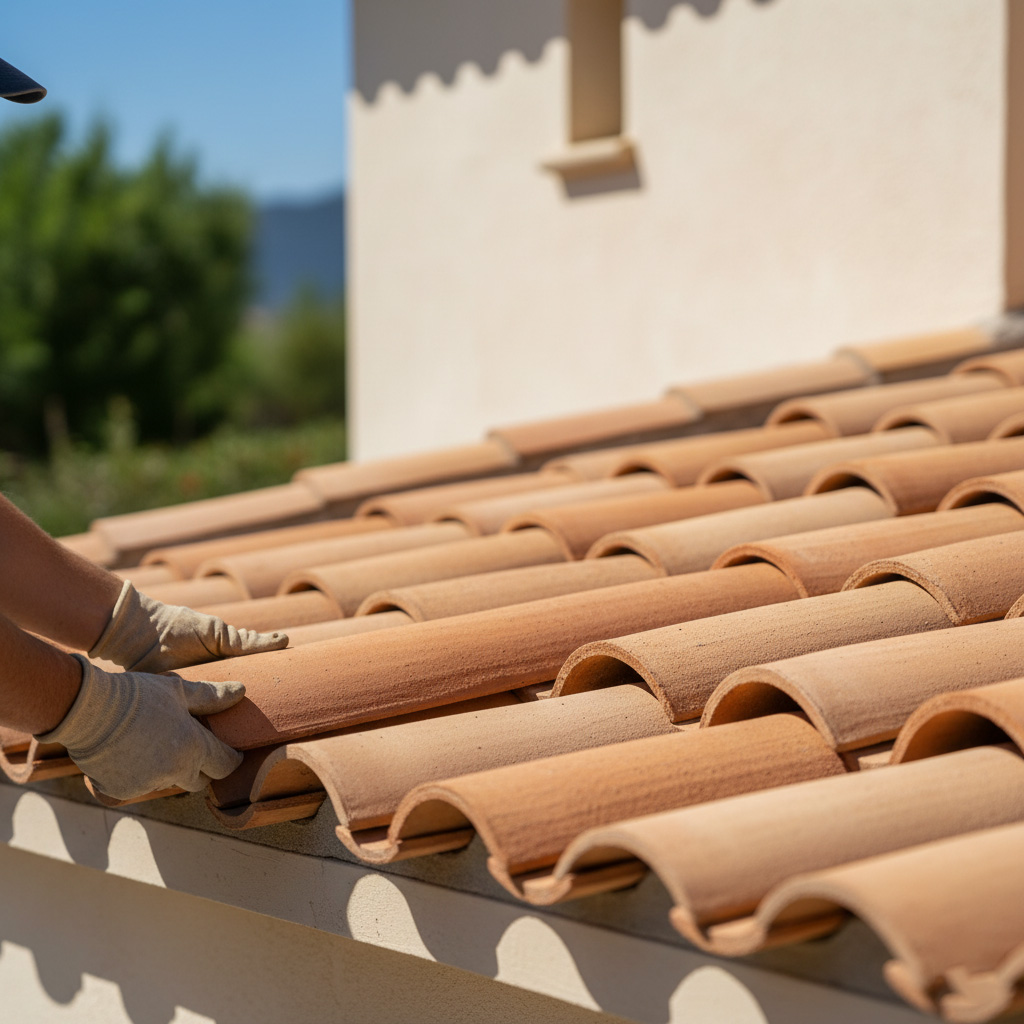
DIY Inspection Secrets: What Homeowners Can Spot Safely
Grab binoculars and a flashlight. Stay off the roof unless you're steady on a ladder and know your limits. This keeps you safe while spotting big issues from solid ground.
Ground-Level Power Moves
- Scan shingles for curling edges or bald spots—they lift in Spokane winds and let water sneak in.
- Check gutters for debris piles or sagging; clogged ones back up and rot your fascia boards fast.
- Eye the flashing around chimneys and vents—cracks there mean leaks waiting to happen.
Head to the attic next. Look for daylight peeking through cracks or dark water stains on rafters. Musty smells? That's mold from hidden roof failure.
Quick Binocular Sweep
Use those binoculars to trace the ridge line. Missing granules signal asphalt shingles wearing thin after heavy snow loads. Buckled areas scream structural trouble—call pros immediately.
Inside a Pro Inspection: Tools, Techniques, and Red Flags
Tools That Spot What You Can't
Pros like us skip the guesswork. We climb with sturdy ladders and harnesses, but also deploy drone cameras for a bird's-eye view of your steep Spokane pitches without risking a slip.
Thermal imaging cameras reveal heat leaks and trapped moisture under shingles. Moisture meters probe for water damage that eyes alone miss.
Techniques Straight from the Front Lines
We start on the ground with binoculars, scanning ridges and valleys for sagging or shifting. Then attic dives check rafter rot and ventilation fails.
- Walk the roof in sections, tapping for soft spots.
- Flashlight sweeps expose granule buildup in gutters.
- Core samples confirm asphalt integrity on older roofs.
Every move follows safety protocols tuned for Spokane's slick winters.
Red Flags That Scream "Fix Me Now"
Curling shingles lift in wind gusts, inviting leaks. Buckled areas signal structural stress from ice dams.
Dark streaks mean algae eating your granules. Cupped edges? Heat damage from poor airflow.
Spot these, and you dodge a $20K disaster. Call us before they worsen.
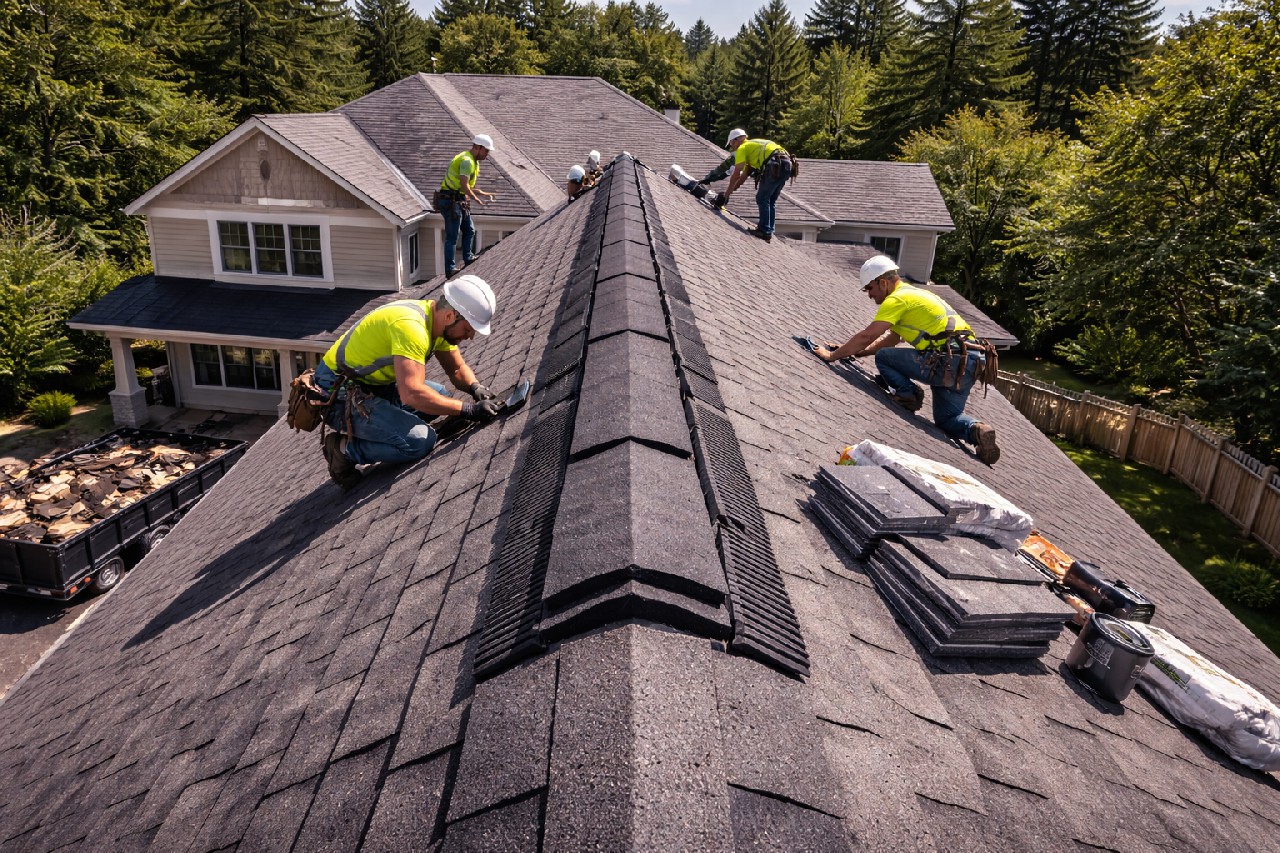
Case Study: Rescuing a Spokane Family's Roof from Collapse
Meet the Johnsons, a typical Spokane family in the South Hill neighborhood. After a brutal winter with ice dams and heavy snow, they spotted dark streaks on their asphalt shingles and a few loose granules in the gutters. They brushed it off as normal wear, but small leaks started showing up in the attic.
One rainy spring afternoon, our team got the call. A quick drone flyover revealed hidden soft spots and sagging sections nobody could see from the ground. Up close, we found rotted decking and failing trusses, just inches from total cave-in.
Key Discoveries That Saved the Day
- Cracked flashing around the chimney, letting water seep into the structure.
- Overgrown moss trapping moisture, accelerating shingle decay.
- Undetected ventilation issues turning the attic into a steamy trap.
We patched the immediate threats and planned a full replacement. That family dodged a $50,000 disaster, sleeping soundly through the next storm. Their story? A stark reminder that pro eyes catch what yours miss.
Year-Round Maintenance Hacks to Extend Roof Life
Spokane's wild weather swings from icy snow dumps to scorching summer heat. Beat it back with simple moves that keep your roof tough. Start by tackling gutters four times a year.
Winter Warriors: Snow and Ice Defense
- Knock off heavy snow buildup before it melts and floods.
- Install heat cables on edges to stop ice dams cold.
- Check flashing around chimneys for cracks that freeze and split.
These steps slash leak risks when temps yo-yo.
Summer Shields and Fall Fixes
Blast away debris after summer storms. Trim branches hanging low, they scratch shingles in wind gusts.
- Spot moss early, hit it with a mild bleach mix.
- Seal minor cracks before rain hits.
- Ventilate your attic to fight summer heat warp.
Do this routine, and your roof could last 10 years longer.
Final Thoughts
Your roof takes a beating from Spokane's wild weather. Spotting issues early keeps small problems from turning into disasters. Stay on top of it, and you'll save cash and headaches down the road.
Grab a ladder for quick DIY checks twice a year. But when red flags pop up, call in the pros. They catch what you miss with drone cams and thermal imaging.
- Schedule that roof inspection before winter hits.
- Act now. A solid roof means peace of mind.
- Your home deserves it.
People Also Ask
How often should Spokane homeowners inspect their roofs?
In Spokane's harsh climate with heavy snow and rain, experts recommend annual professional inspections, plus visual checks twice a year. Early detection prevents costly repairs from weather damage like ice dams or wind uplift. Schedule one now to safeguard your home.
What are the most common roof issues in Spokane?
Spokane roofs often suffer from ice dams in winter, granule loss from hail, and moss growth in our wet springs. These lead to leaks, weakened shingles, and structural damage if ignored. Vigilant inspections catch these early.
Can I perform a DIY roof inspection safely?
Yes, safely check from the ground or attic for missing shingles, sagging areas, or water stains using binoculars. Avoid climbing unless experienced, as slips are dangerous on steep Spokane roofs. For thoroughness, hire pros for hidden issues.
What should I look for in a professional roof inspection?
Pros use drones, thermal imaging, and moisture meters to spot leaks, rot, and ventilation problems invisible to the eye. They check flashing, gutters, and attic conditions critical in Spokane's variable weather. Get a detailed report with photos for peace of mind.
How much does a roof inspection cost in Spokane?
Basic inspections range from $150-$300, depending on roof size and accessibility. Many local roofers offer free inspections with repair quotes to attract business. It's a small investment to avoid thousands in future damages.

Spokane Roofing delivers professional roofing services to homes and businesses throughout Spokane, WA. With years of experience in installations, repairs, and maintenance, the team applies specialized knowledge to local climate conditions. Rooted in the Spokane community, they prioritize durable craftsmanship for every project.
Need Roofing?
Fast roofing repairs and replacements deliver leak-proof protection in Spokane, WA and nearby areas (99201, 99205, 99207, 99208, 99218).
Get Roof Quote